
Why Every Boater Needs a Solid Maintenance Strategy
Boat maintenance plans are structured programs—offered by dealers or third-party providers—that bundle regular inspections, engine service, and system checks to keep your vessel running reliably. They typically include oil changes, fuel system inspections, electrical diagnostics, and seasonal prep like winterization and spring commissioning.
Key benefits of a maintenance plan:
- Preventive care catches small issues before they become expensive repairs
- Scheduled service ensures you never miss critical engine or system checks
- Priority access to technicians during peak boating season
- Discounted rates on parts and labor for members
- Peace of mind knowing your boat is ready when you are
There’s nothing quite like the freedom of cruising across Table Rock Lake or Lake Texoma on your Suncatcher pontoon or launching your G3 fishing boat for an early morning trip. But that freedom comes with responsibility. Proper boat maintenance is the difference between smooth sailing and being stranded on the water.
The statistics tell a sobering story. According to Coast Guard data, 8% of boating accidents and 4% of all boating fatalities stem from avoidable maintenance oversights. Even more concerning: boats sink at the dock four times more often than they do underway, usually because no one is aboard to notice a leak. And if your boat does go underwater—even briefly—repairs typically cost 40% of the vessel’s total value.
A maintenance plan isn’t just about avoiding disaster. It’s about maximizing your time on the water. It’s about knowing your Skeeter bass boat will start on the first try, your Lowe fishing rig will handle choppy conditions safely, and your family’s weekend pontoon trip won’t be cut short by a preventable breakdown.
Whether you’re an avid angler seeking high-performance reliability or a family looking for hassle-free adventures, a structured maintenance approach protects both your investment and your peace of mind.
Why a Maintenance Plan is Your First Mate for a Trouble-Free Season
Boating is a significant investment, one that brings immense joy and unforgettable memories. To keep those good times rolling, the importance of boat maintenance cannot be overstated. Just like a trusted first mate, a well-executed maintenance plan ensures everything runs smoothly, allowing you to focus on the fun. The global boat maintenance and repair industry, valued at USD 15.5 billion in 2023 and projected to reach USD 23.9 billion by 2030, highlights a growing recognition of this crucial need.
When we talk about the benefits of having a boat maintenance plan, we are really talking about a holistic approach to boat ownership. It is an investment in freedom, allowing for less time spent on repairs and more time on the water. A proactive stance on maintenance is vital for performance, safety, and the longevity of your vessel. It helps avoid costly major repairs and preserves your boat’s resale value.
Avoidable maintenance oversights are a serious concern. They account for a significant percentage of boating accidents and fatalities. For instance, 8% of boating accidents and 4% of boat-related deaths are attributed to these oversights. We have also learned that a staggering four boats sink in their slips for every one that sinks underway. This often happens because there is no one aboard to spot an issue, such as leaks at underwater fittings, which are responsible for 50% of dockside sinkings. Even something as simple as water from the sky (rain or snow) accounts for 32% of sinking claims. These statistics underscore a simple truth: preventive maintenance is not just about convenience; it is about safety and protecting lives.
For more insights on the market growth, you can check out the importance of boat maintenance.
The High Cost of Neglect
Neglecting your boat’s maintenance can quickly turn a dream day on the water into a nightmare. Catastrophic failures, such as engine seizure due to lack of oil changes, can leave you stranded far from the shores of Lake Texoma or Table Rock Lake. Imagine the frustration and potential danger of a sudden loss of power during a busy weekend.
Beyond the inconvenience, poor maintenance leads to significant damage. Issues like engine failure, compromised hull integrity, or even electrical fires are often preventable with regular care. For instance, 90% of diesel engine problems stem from contaminated fuel, a problem that can usually be avoided with proper filtration and inspection. These issues do not just ruin a single trip; they can lead to extensive repairs, forcing your boat out of commission for weeks or months. The financial burden is substantial, with the cost of repairing a sunken boat often reaching 40% of its value. Neglecting maintenance jeopardizes your safety, your investment, and the enjoyment you derive from your boat.
Protecting Your Investment and Resale Value
A well-maintained boat is a valuable asset, and a comprehensive maintenance plan is key to protecting that investment. Just like a car, a boat with a documented service history and pristine appearance will generally command a higher resale price. When it comes time to upgrade your Suncatcher pontoon or Skeeter bass boat, potential buyers will appreciate the peace of mind that comes with knowing the vessel has been cared for.
Regular cleaning, waxing, and timely repairs prevent cosmetic deterioration and structural issues that can significantly devalue your boat. Blackbeard Marine’s partners in the storage and service community emphasize that annual boat maintenance costs rarely exceed 10% of the boat’s cost, which is a reasonable price to pay to maintain its value. For an idea of your boat’s potential value, resources like nadaguides.com can provide Blue Book pricing. Beyond the financial aspect, there is the intangible benefit of pride of ownership: knowing your vessel is always in top condition reflects your commitment to the boating lifestyle.
Decoding Professional Boat Maintenance Plans
When it comes to keeping your boat in peak condition, understanding the types of boat maintenance plans available is crucial. These plans can range from basic, seasonal services to comprehensive, year-round packages, and they are often offered by dealerships like Blackbeard Marine or specialized third-party marine service providers.
Dealer-provided plans, especially from authorized service centers, often align with manufacturer recommendations, helping your warranty remain valid. For instance, using certified technicians and OEM parts is important for maintaining warranty compliance. Some providers offer subscription models, where you pay a monthly fee for regular inspections and priority service, similar to a membership for your boat. These can be particularly appealing for hassle-free ownership, as they simplify scheduling and emphasize “all fun, less hassle.”
What Services Are Typically Included?
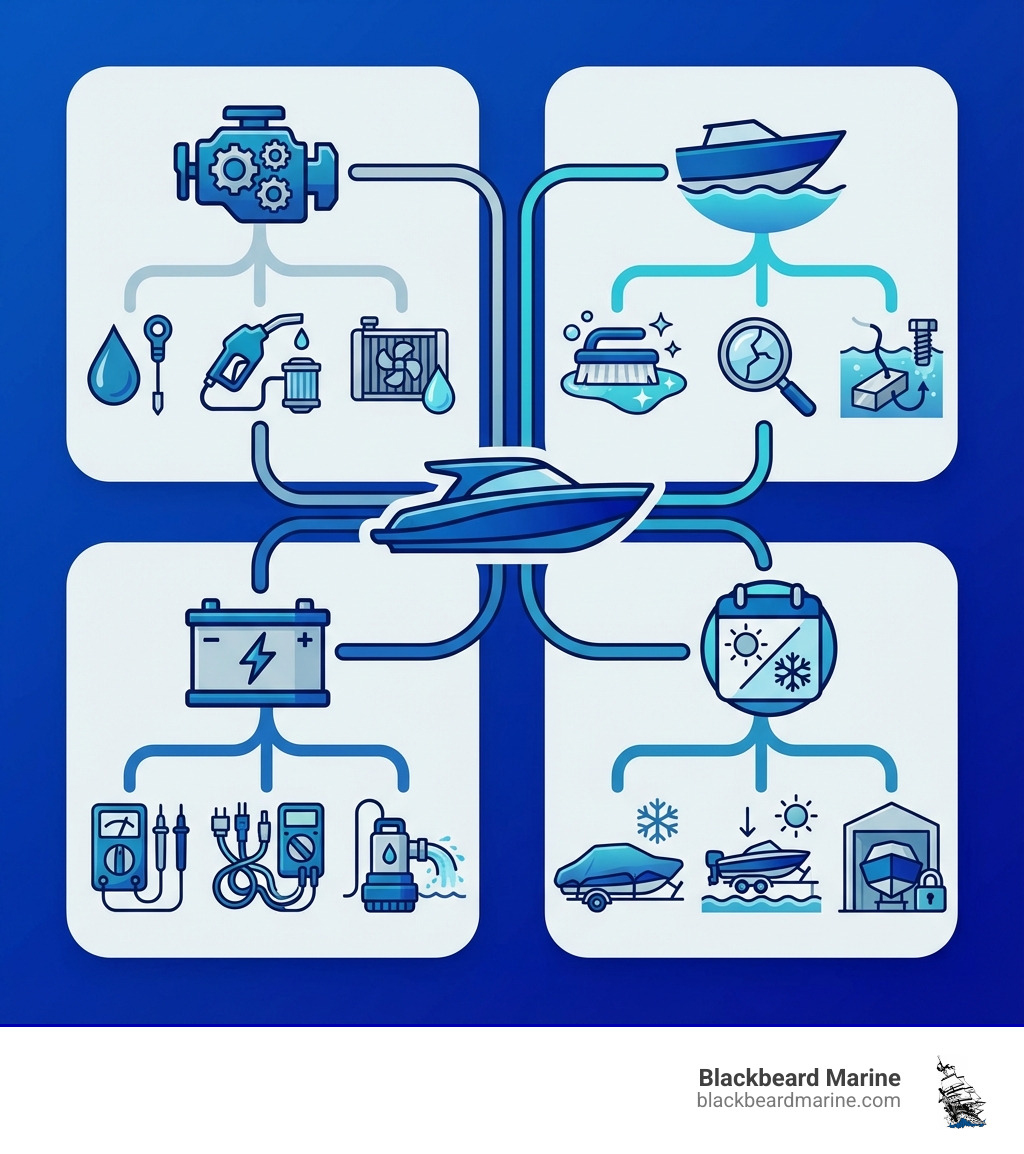
A robust boat maintenance plan typically covers a wide array of services designed to keep all critical systems functioning optimally. Here is a breakdown of common inclusions:
- Engine oil and filter changes: Essential for the health of your engine, these are often performed based on engine hours or annually. For example, engine oil often needs changing every 50–100 hours or at least once a year. Regular oil changes are vital for care of your boat’s engine.
- Fuel system inspection: This includes checking fuel lines, filters, and connections for leaks or contamination. Given that 90% of diesel engine problems stem from contaminated fuel, this is a critical area.
- Electrical system diagnostics: Checking batteries, wiring, connections, and onboard electronics for corrosion or faults. Corroded electrical systems are a primary cause of failures in modern boats.
- Bilge pump testing: Ensuring these essential safety devices are clear of debris and fully operational.
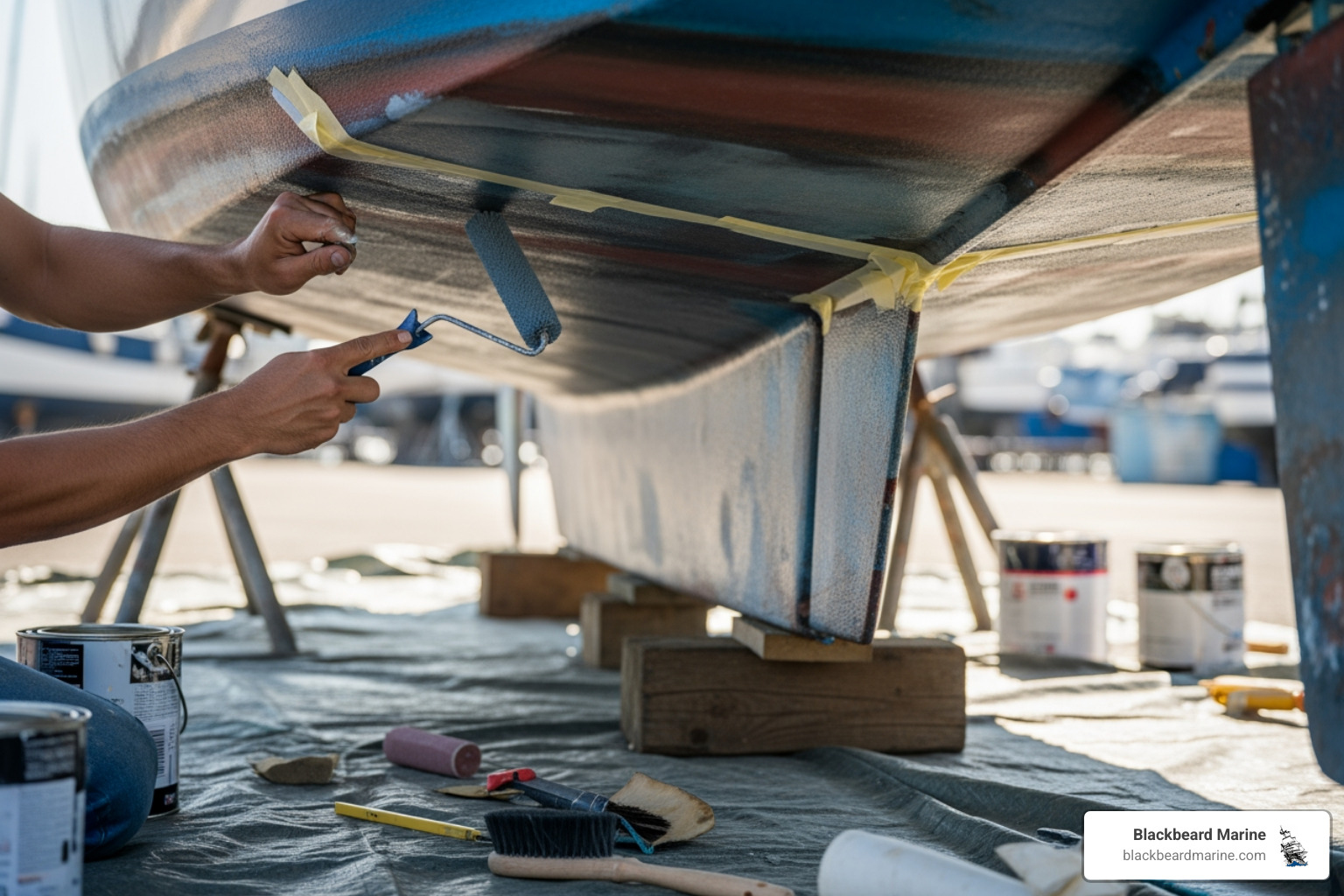
- Propeller and hull inspection: Checking for dings, cracks, or damage to the propeller and inspecting the hull for blisters, stress cracks, or other issues.
- Anode replacement: Sacrificial anodes protect metal components from corrosion, especially in more corrosive water conditions.
- Belt and hose inspection: Checking for wear, cracking, or brittleness in belts and hoses.
- Fluid level checks: Topping off power steering, power trim, and coolant levels.
- Safety equipment checks: Ensuring life jackets are in good condition, fire extinguishers are charged, and flares are not expired.
- General cleaning and waxing: Maintaining the aesthetic and protective finish of the hull and deck.
- Running gear inspection: Checking shafts, props, and through-hull fittings.
These comprehensive checks help identify potential issues early, preventing them from escalating into costly repairs down the line.
Customizing Boat Maintenance Plans for Your Vessel
Not all boats are created equal, and neither are their maintenance needs. A good boat maintenance plan will be customized to your specific vessel, its usage, and its operating environment.
- Boat type differences:
- Pontoon boats (like Suncatcher and Lowe models) require specific attention to decking, furniture, and pontoon tubes. Their layouts and systems often differ from performance fishing boats, which can affect service intervals and inspection points.
- Fishing boats (such as G3, Seaark, Blazer Bay, and Skeeter) often operate in more demanding conditions, requiring frequent checks of their powerful outboards, livewell systems, and navigation electronics. Aluminum fishing boats, for example, need regular rivet checks and protection for their hulls.
- High-performance wake boats (Tigé models, for comparison) can have complex ballast systems, wake-shaping devices, and intricate engine setups that demand specialized care.
- Saltwater vs. freshwater use: Boaters on Lake Texoma, which has brackish characteristics in some areas, will have different corrosion concerns than those on pure freshwater lakes like Table Rock Lake or the lakes around Kingston, OK. Harsher water conditions significantly increase maintenance requirements due to accelerated corrosion of metal parts, often requiring more frequent flushing, cleaning, and anode replacement.
- Usage patterns: A boat used daily for commercial or heavy recreational purposes will have a more rigorous maintenance schedule than one used only on weekends. Engine hour-based maintenance is crucial here, and a plan can be custom around how often you are on the water.
Customizing your plan ensures your boat gets the right care at the right time, maximizing its lifespan and your enjoyment.
Budgeting for Your Boat: The 10% Rule and Maintenance Costs
Owning a boat brings immense joy, but it is also a significant financial commitment. Understanding and budgeting for maintenance costs is a critical part of being a smart boater. A commonly cited guideline is the “10% rule,” which suggests that annual boat maintenance costs rarely exceed 10% of the boat’s initial purchase price. For instance, if your Lowe fishing boat cost $40,000, you might budget around $4,000 annually for upkeep.
This “10% rule” is a helpful starting point, but it is important to understand what it truly means. It is an estimate, not a strict figure, and actual costs can vary based on several factors:
- Boat age and condition: Older boats, or those not previously well-maintained, will likely incur higher costs. The 10% rule still applies to used boats, but you need to factor in the boat’s current state and any immediate repairs or upgrades it might need.
- Boat type and complexity: A simple G3 aluminum fishing boat will generally be cheaper to maintain than a large Suncatcher pontoon or a high-performance Skeeter bass boat with advanced electronics and powerful engines.
- Saltwater vs. freshwater use: As mentioned earlier, harsher water conditions significantly increase maintenance costs due to their corrosive nature.
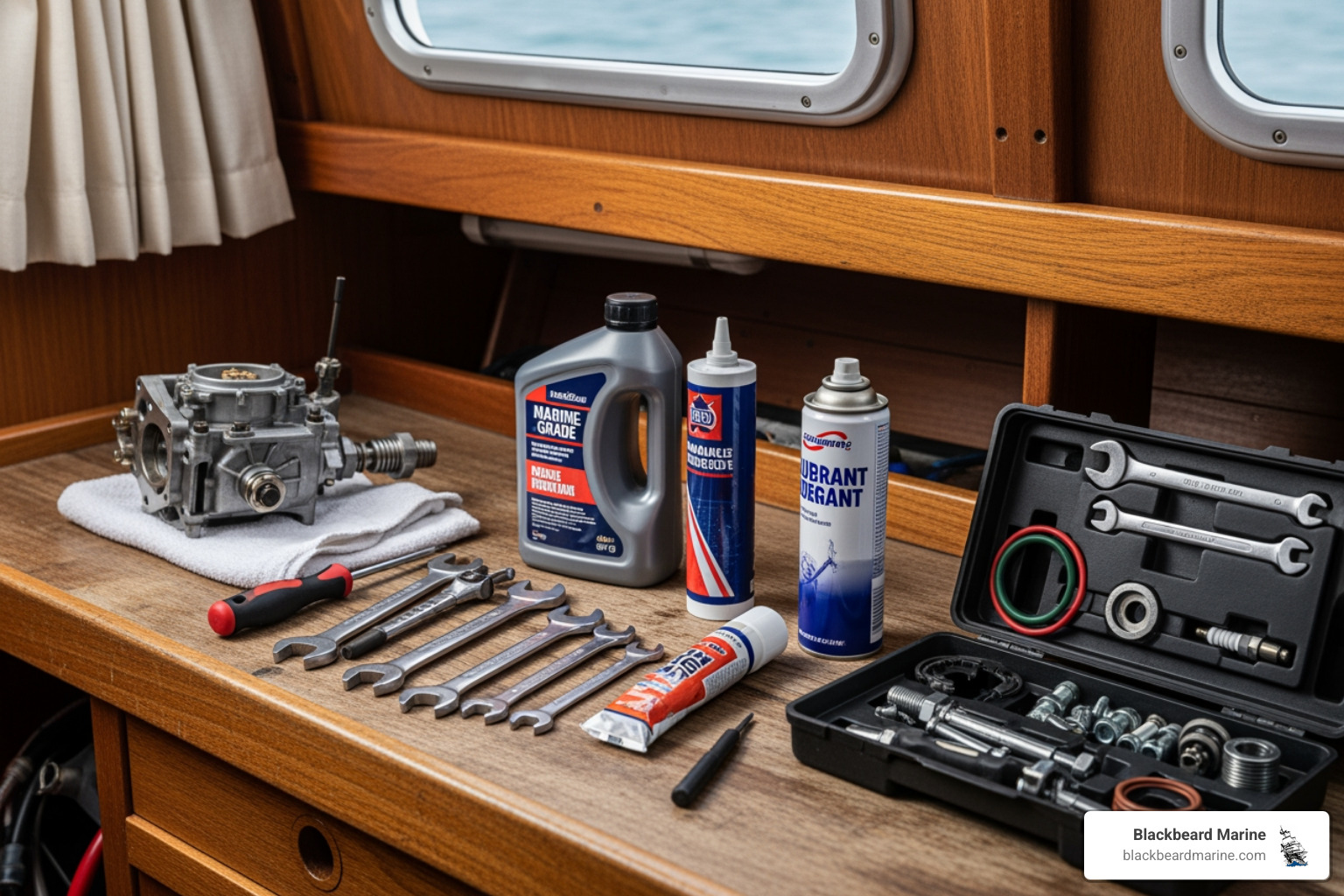
- DIY vs. professional service: Performing some maintenance tasks yourself can save on labor costs, but it requires time, skill, and the right tools. Complex tasks are best left to certified professionals.
Here is a general comparison of estimated annual maintenance costs by boat type:
| Boat Type | Estimated Annual Maintenance Cost |
|---|---|
| Pontoon Boat (Suncatcher/Lowe) | $1,000 – $3,000 |
| Center Console Fishing Boat (G3/Seaark/Blazer Bay) | $500 – $2,000 |
| Wake Boat (Tigé for comparison) | $5,000 – $10,000+ |
This table provides a broad overview; your specific costs will depend on the factors above. Building a maintenance reserve fund is always a smart move to cover unexpected expenses. Preventive maintenance, as always, is your best strategy for reducing long-term costs.
How Much Do Boat Maintenance Plans Cost?
While specific pricing can vary, it is helpful to understand the structure of boat maintenance plans. Many providers offer tiered subscription models (for example, Basic and Premium) with varying levels of service and benefits. These plans typically include:
- Regular inspections and diagnostics: More frequent inspections in higher tiers.
- Parts and labor discounts: Members often receive percentage discounts on parts and labor for services not covered by the plan.
- Priority service: Higher tiers usually guarantee faster response times for repair calls, which can be especially useful during peak boating season when everyone wants to be on the water.
- Bundled services: Key maintenance tasks like oil changes, fluid checks, and general system reviews are often included in the monthly or annual fee.
The value of a maintenance plan lies in its ability to consolidate costs, provide predictable budgeting, and offer peace of mind through proactive care. It is a way to ensure your vessel receives consistent, expert attention without the constant worry of scheduling individual appointments or facing unexpected bills.
Factoring in Seasonal Needs: Winterization and Spring Prep
For boaters in Missouri and Oklahoma, where winters bring freezing temperatures, seasonal maintenance is essential. Proper winterization and spring start-up are crucial to protecting your investment and ensuring a problem-free season.
Winterization involves preparing your boat for cold storage. This typically includes:
- Engine fogging and fuel stabilization: Protecting the engine’s internal components and helping prevent fuel degradation.
- Draining and filling with antifreeze: Protecting the engine’s cooling system and freshwater systems from freezing.
- Battery removal and storage: Helping to prevent battery discharge and damage from cold.
- Shrink-wrapping: Providing a protective cover against snow, ice, and UV damage.
Even states with milder winters can experience significant freeze-related claims if winter preparations are not taken seriously. In many regions, boaters underestimate the risk and skip key steps, which can lead to cracked blocks, split hoses, or worse. Leaving thru-hulls open during winter storage is a common mistake that can even lead to sinking.
Spring start-up (or commissioning) reverses the winterization process and gets your boat ready for the water:
- De-winterizing: Reconnecting batteries, checking fluid levels, and priming systems.
- Systems check: Inspecting all mechanical, electrical, and plumbing systems for proper function after dormancy.
- Safety gear review: Ensuring all safety equipment is up to date and accessible.
- Hull and propeller inspection: Checking for any damage that might have occurred during storage or winter.
Many Blackbeard Marine owners choose to have these critical seasonal tasks performed by our certified technicians, ensuring everything is done correctly. It is a key part of any comprehensive boat maintenance plan. For a handy guide, you can refer to this spring checklist.
Your Essential Boat Maintenance Schedule
A consistent boat maintenance schedule is the backbone of reliable and enjoyable boating. It is about more than just fixing things when they break; it is about anticipating needs and preventing issues before they arise.
Maintenance Needs for Different Boat Types
Different types of boats have unique maintenance requirements:
- Pontoon boat maintenance (Suncatcher, Lowe): These family-friendly vessels require attention to their large decks, furniture, and, of course, the pontoon tubes themselves. Regular cleaning of upholstery to help prevent mold and mildew, checking tube integrity, and ensuring all railings and gates are secure are vital.
- Fishing boat maintenance (G3, Seaark, Blazer Bay, Skeeter, Lowe): These boats often have powerful outboards and specialized equipment like livewells, trolling motors, and advanced electronics. Maintenance focuses on engine performance, electrical systems for accessories, and hull protection from fishing-related wear and tear. Aluminum hulls on G3 or Seaark boats, for example, need regular checks for rivet integrity and protection against corrosion.
- High-performance wake boats: While Blackbeard Marine focuses on other brands, for comparison, these boats (like Tigé) can feature complex ballast systems, specialized propellers, and sophisticated electronic controls for wake shaping. Their engines often run at higher RPMs, demanding more frequent service.
- Sailboats: Though not a primary focus for Blackbeard Marine, it is worth noting that sailboats have distinct needs, with a strong emphasis on sail inspection and repair, and rigging maintenance. Their upkeep costs can range significantly, focusing on these specialized components. For those interested in learning more, there are many resources available on sailboat-specific care.
Regardless of your boat type, adapting your maintenance schedule to its specific needs and how you use it is key.
Signs Your Boat Needs Professional Attention
While routine checks are essential, there are times when your boat will signal that it needs a professional’s touch. Recognizing these signs early can prevent minor issues from escalating into major, costly repairs.
- Unusual engine noises: Any new knocking, grinding, or whining sounds from your engine are red flags. Do not ignore them; they often indicate underlying mechanical problems.
- Excessive vibration: Beyond normal operation, unusual vibrations can point to propeller damage, engine misalignment, or issues with the running gear.
- Steering issues: Stiff steering, excessive play, or difficulty turning can indicate problems with the steering cables or hydraulic system.
- Electrical problems: Flickering lights, non-functional gauges, or repeated fuse blowing suggest electrical faults that need expert diagnosis. Corroded electrical systems are a primary cause of failures.
- Visible hull damage: Cracks, blisters, or significant dents on the hull can compromise structural integrity and lead to leaks.
- Fluid leaks: Any visible oil, fuel, or coolant leaks should be addressed promptly. 90% of diesel engine problems stem from contaminated fuel, and leaks or poor sealing can quickly contribute to contamination or environmental concerns.
- Poor performance: If your boat is not reaching its usual speed, consuming more fuel, or struggling to plane, it is a sign that something is amiss with the engine or propulsion system.
When you notice any of these signs, it is time to call a certified technician. The team at Blackbeard Marine, specializing in Suncatcher, G3, Lowe, Seaark, Skeeter, and Blazer Bay boats, has the expertise and diagnostic tools to accurately identify and resolve these issues, helping keep your boat safe and reliable.
Frequently Asked Questions about Boat Maintenance
We often hear common questions from boat owners about maintenance. Here are some of the most frequent inquiries and our expert answers.
How often should I have my boat professionally serviced?
The frequency of professional servicing largely depends on your boat’s manufacturer recommendations and your engine hours. Most manufacturers suggest an annual service, or every 50 to 100 engine hours, whichever comes first. For instance, many engines require an in-depth service after around 50 hours of use or annually.
Beyond these regular intervals, it is important to have your boat professionally serviced for seasonal needs, especially in our regions of Missouri and Oklahoma. Professional winterization helps protect your boat from freezing temperatures, while spring commissioning ensures it is safely de-winterized and ready for the season. These services involve comprehensive checks that are difficult to perform thoroughly without specialized tools and expertise.
Can a maintenance plan really save me money?
A well-structured boat maintenance plan is an investment that can save you money over time. Here is how:
- Preventing major repairs: Regular inspections and proactive maintenance catch small issues before they escalate into more serious and expensive failures. For example, replacing a worn belt is far cheaper than repairing an engine damaged by a broken belt.
- Bundled service discounts: Maintenance plans often offer discounted rates on parts and labor for members, effectively lowering the cost of individual services.
- Reduced labor rates: Some plans offer preferred labor rates for members.
- Helping avoid costly emergency service calls: Proactive maintenance reduces the likelihood of unexpected breakdowns on the water, which often require expensive emergency repairs or towing services.
- Preserving resale value: A boat with a documented history of professional maintenance will be more attractive at resale, which can help recoup some of your investment.
- Long-term savings vs. short-term cost: While there is an upfront cost for a plan, it is often less than the cumulative cost of reactive repairs and the potential loss of enjoyment from a frequently out-of-service boat.
Does using a dealer for maintenance affect my warranty?
Using an authorized dealer like Blackbeard Marine for your boat’s maintenance can be very helpful for maintaining your warranty. Here is why:
- Certified technicians: Authorized dealers employ technicians who are factory-trained and certified for specific brands, such as Suncatcher, G3, Lowe, Seaark, Skeeter, and Blazer Bay. This helps ensure that maintenance and repairs are performed according to manufacturer standards.
- OEM parts: Dealers typically use Original Equipment Manufacturer (OEM) parts, which are designed specifically for your boat and engine, helping to ensure compatibility and good performance. Using aftermarket parts might affect certain warranty provisions.
- Maintaining warranty compliance: Many boat and engine manufacturers require adherence to specific service schedules and procedures for the warranty to remain valid. An authorized dealer will help ensure these requirements are met and properly documented.
- Documented service records: Dealers provide detailed service records, which are important proof of maintenance if you ever need to file a warranty claim.
- Manufacturer’s schedule: Following the manufacturer’s recommended inspection and maintenance schedule, often found in your engine manual, is one of the best ways to keep up with periodic maintenance and support your warranty coverage.
While many servicing dealers for brands like Yamaha, Mercury, or Volvo can perform routine engine work, for boat-related repairs, especially under warranty, manufacturers often prefer that you use an authorized dealer. It is always best to check your specific warranty documentation for precise requirements.
Keep Your Adventure Afloat with Blackbeard Marine
Being a smart boater means enjoying every moment on the water without the worry of unexpected breakdowns. A comprehensive boat maintenance plan is one of the best strategies for achieving this peace of mind. It is about proactive care, catching small issues before they become major headaches, and ultimately, maximizing your time on the beautiful waters of Lake Texoma and Table Rock Lake.
At Blackbeard Marine, we understand the unique needs of boat owners in Oklahoma and Missouri. Our expertise in wake, surf, pontoon, and fishing boats, including brands like Suncatcher, G3, Lowe, Seaark, Skeeter, and Blazer Bay, helps ensure that your vessel receives the specialized care it deserves. Our certified technicians handle everything from routine inspections to more complex repairs, always following manufacturer guidance to help protect your investment and support your warranty.
Do not let avoidable oversights cut short your adventures. Consider a maintenance plan that keeps your boat running reliably, preserves its value, and supports your ability to answer the call of the open water. With Blackbeard Marine as your trusted partner, you can focus on making memories, knowing your boat is always ready for its next voyage.
Visit our locations near Table Rock Lake (Branson, MO) and Lake Texoma (Kingston, OK) to learn more about our maintenance services and how we can tailor a plan specifically for your boat.
Explore our used boat inventory and find your next adventure with confidence.